
Division of Electrical, Electronic and Infocommunications Engineering Graduate School of Engineering, The University of Osaka
Laser/Quantum Energy Science Area
GALLERY
EVENTS
-
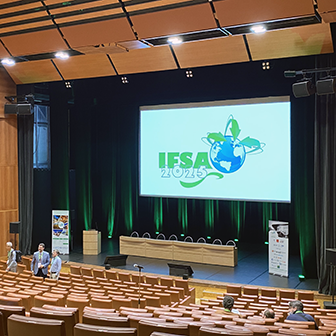
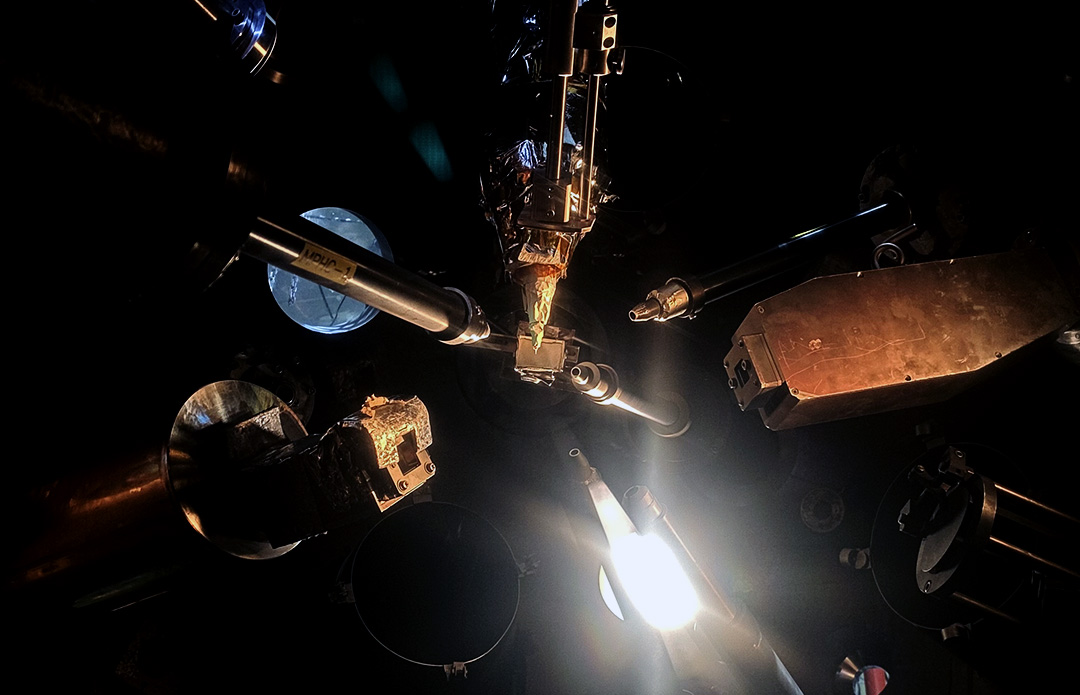
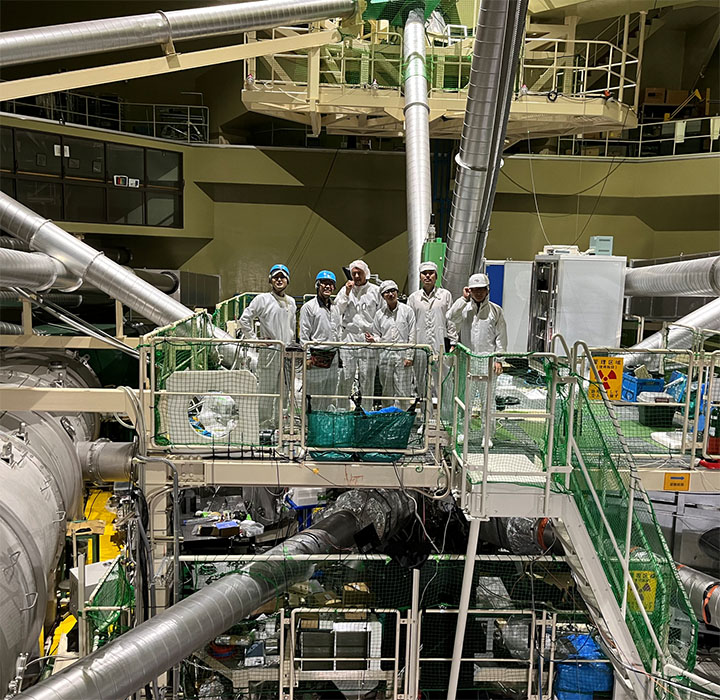
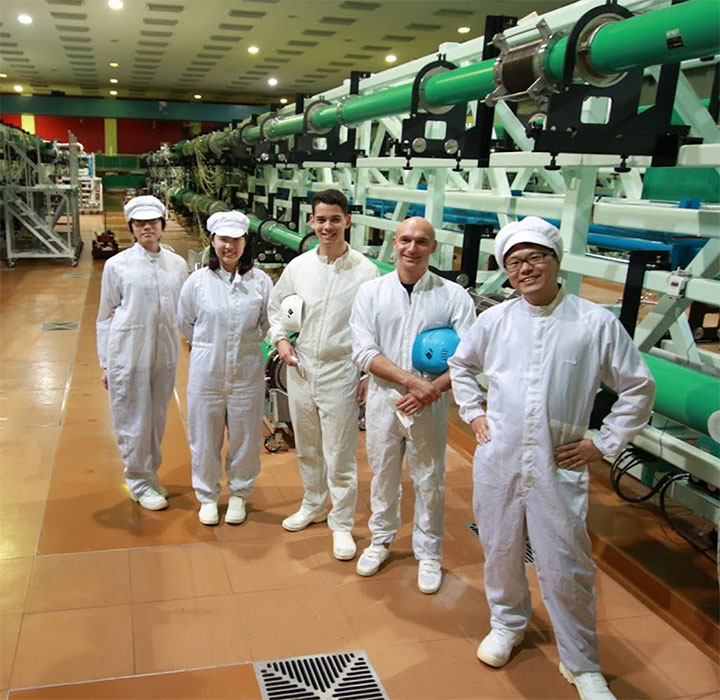
We participated in the International Conference on Inertial Fusion Sciences and Applications (IFSA 2025) held in Tours, France.
-
------
-
------
-
-------
RESEARCH
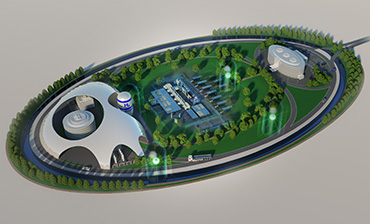
Our research focuses on the design of laser fusion reactors aimed at realizing laser fusion power plants in the 2040s.
While magnetic confinement fusion reactors face spatial constraints on the blanket due to superconducting magnets, laser fusion reactors allow more flexible blanket design for tritium breeding and energy conversion. We conduct design studies that take advantage of this feature, assuming a stepwise development pathway from proof-of-principle power generation to commercial reactors.
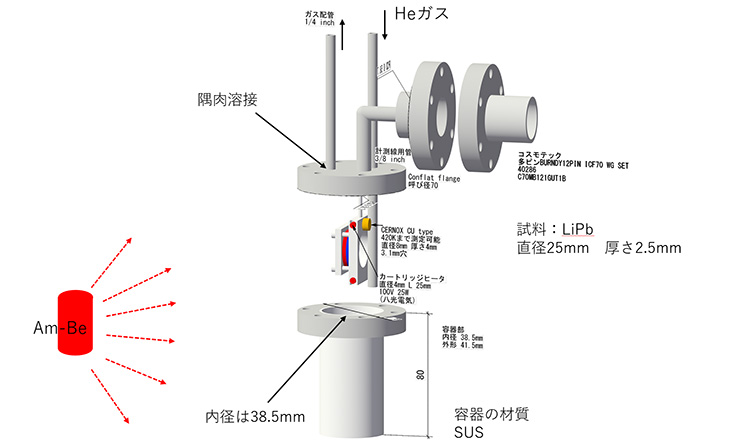
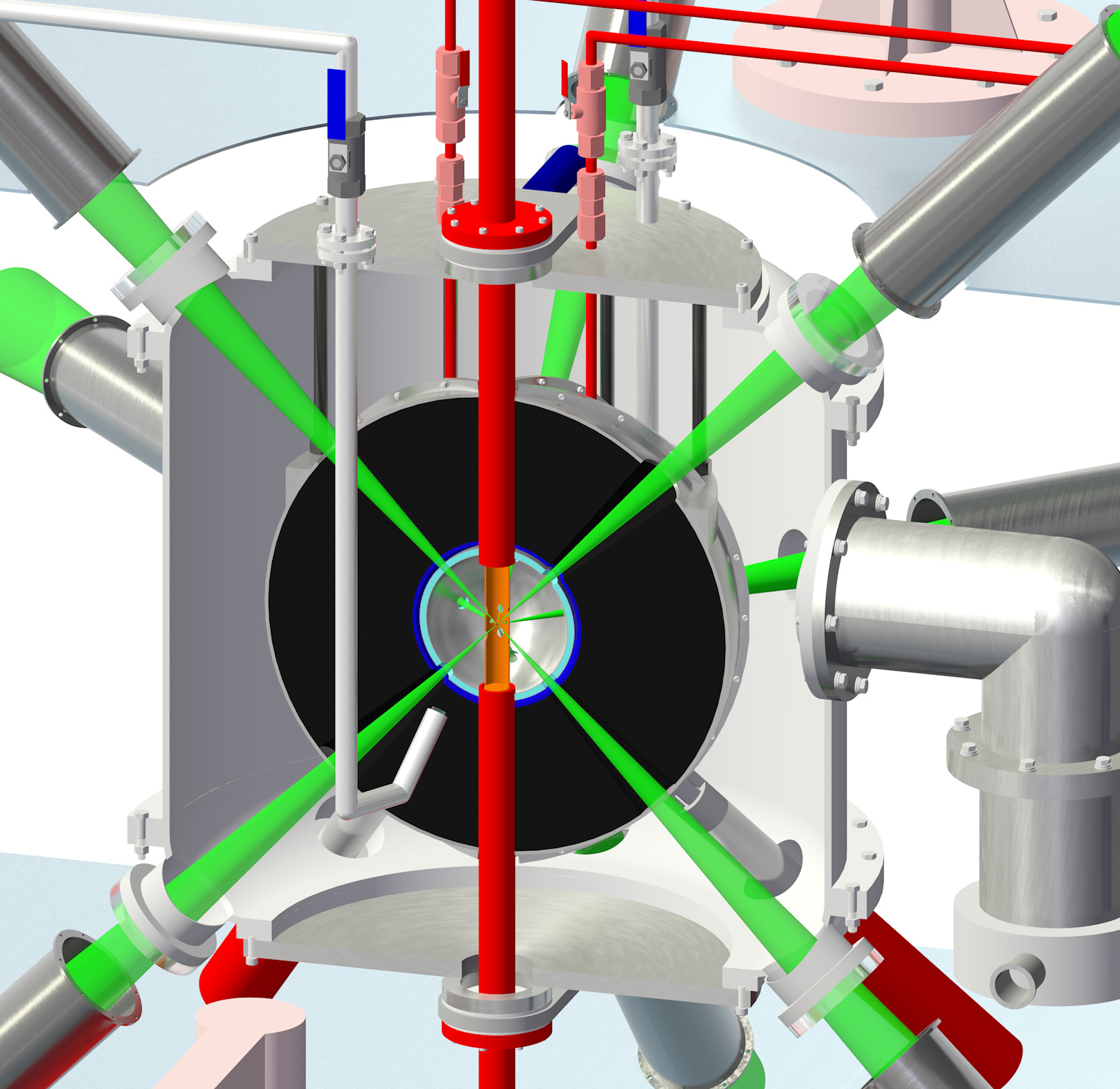
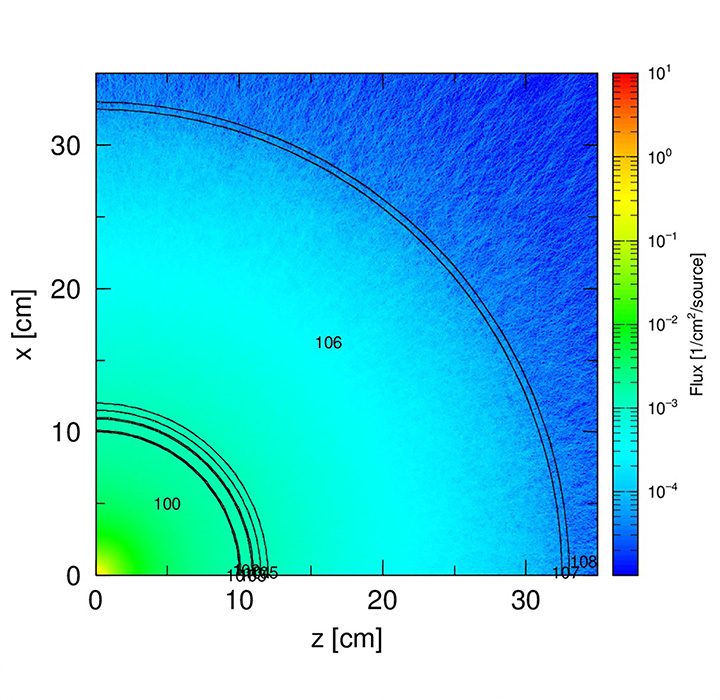
We conduct research on blanket systems for laser fusion reactors, with a focus on tritium breeding and energy conversion.
Blankets in laser fusion reactors play two key roles: tritium breeding for fuel supply and neutron-to-heat conversion for power generation. Lithium-based compounds and alloys are being investigated as candidate materials for tritium breeding, but technologies for stable long-term tritium production remain to be established. In addition, efficient heat recovery is necessary for power generation. Our research therefore focuses on optimizing blanket materials and structural designs for laser fusion reactors. We conduct both simulation-based studies and experiments using neutron sources to evaluate their performance.
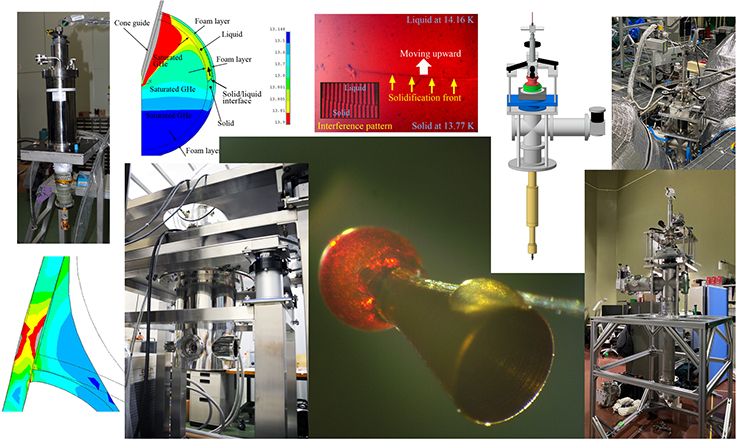
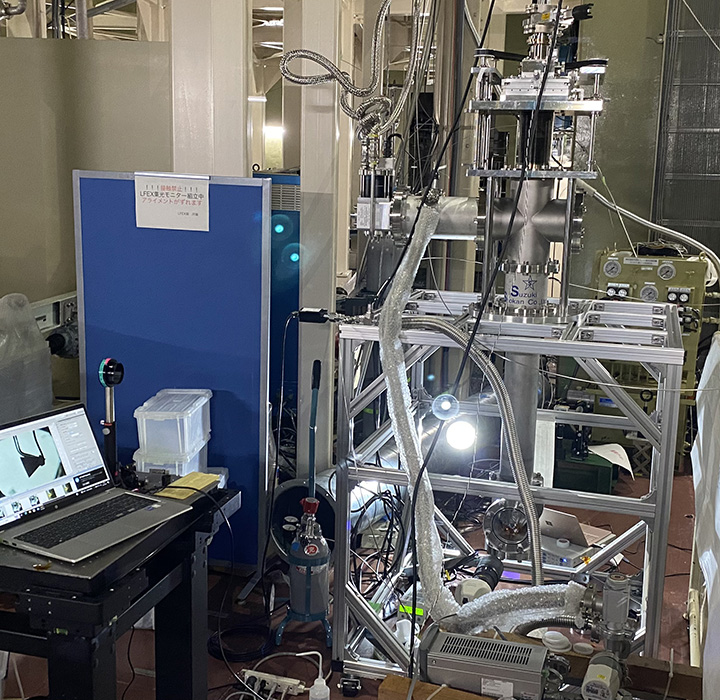
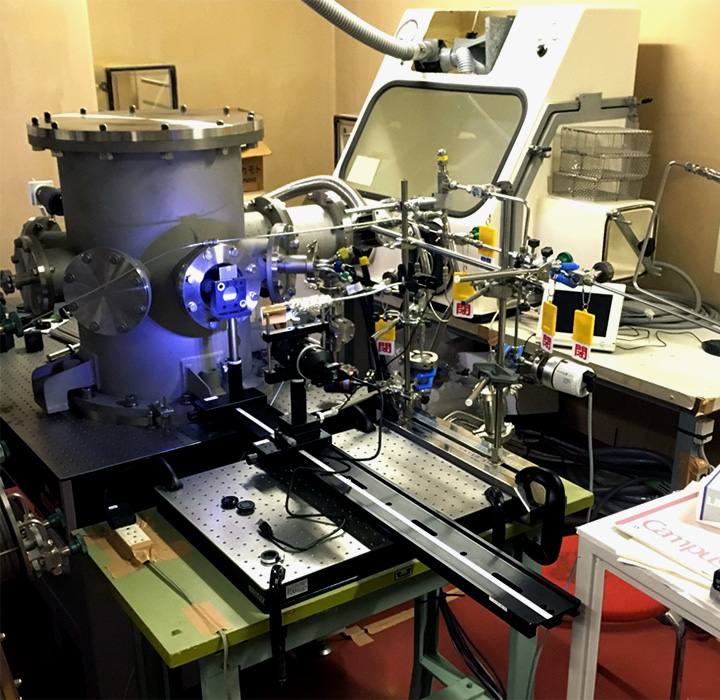
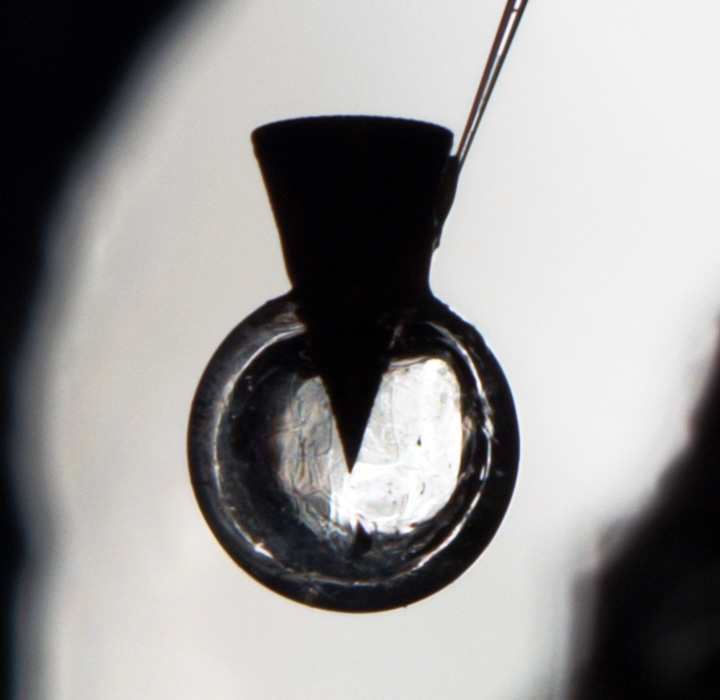
We conduct research on cryogenic target technologies for laser fusion experiments.
In laser fusion reactors, the fuel is supplied as hydrogen isotopes in liquid or solid form encapsulated in a plastic shell, known as a cryogenic target. To achieve efficient fusion reactions, deuterium and tritium must be uniformly distributed within the shell. Our research involves creating cryogenic environments (around 20 K) using cryocoolers and conducting liquefaction and solidification experiments on hydrogen isotope fuels. We study methods to achieve uniform fuel distribution and develop techniques to evaluate its uniformity. In addition, simulations are performed to predict the behavior of the fuel in liquid and solid phases.
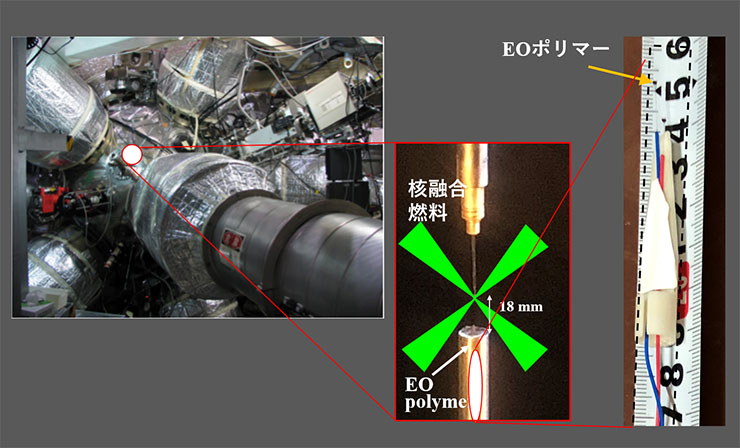
Our research includes the development of picosecond-response neutron detectors for laser fusion burn experiments.
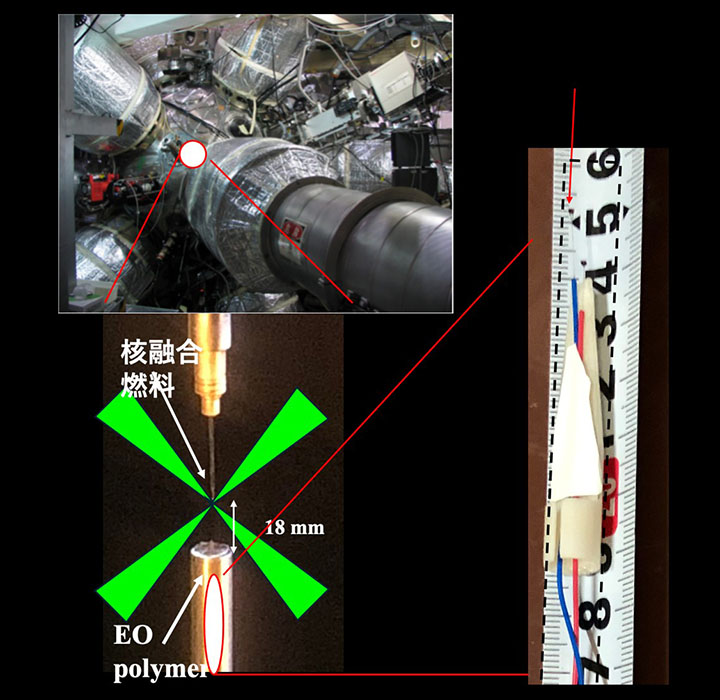
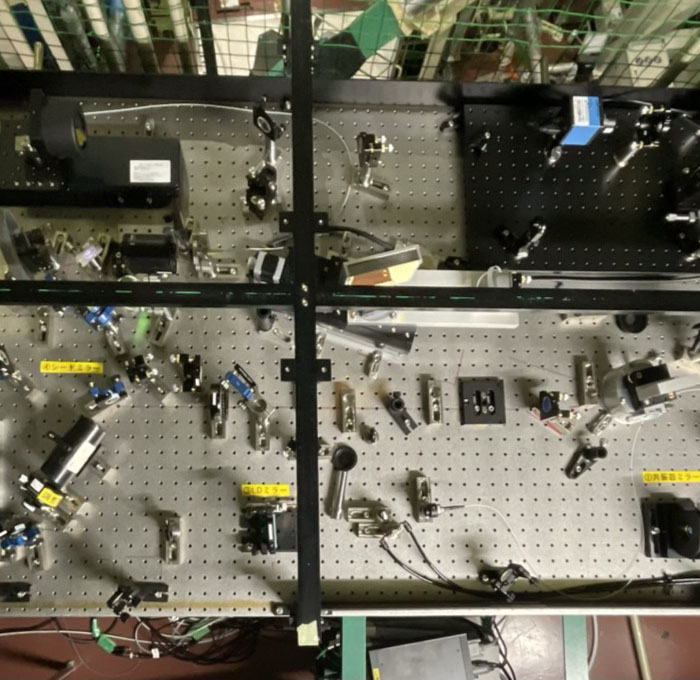
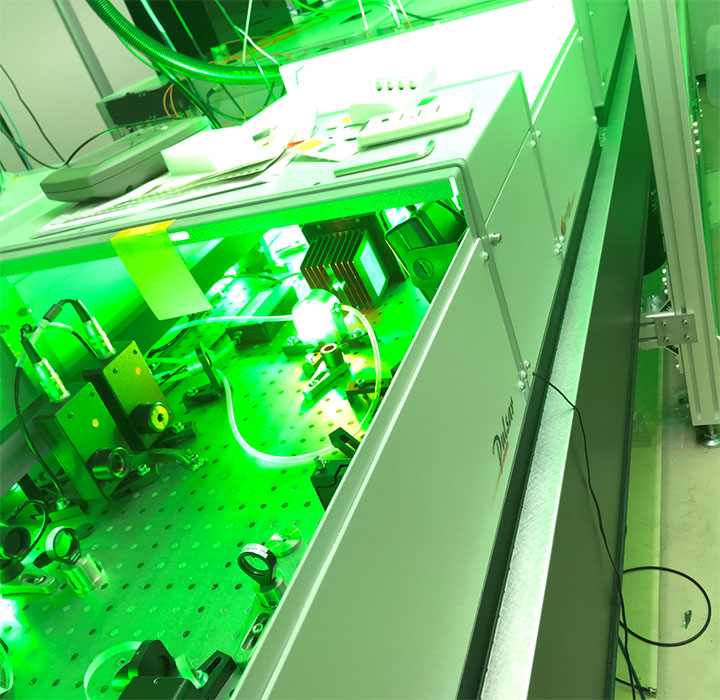
In laser fusion, the mechanisms governing how fusion burn propagates from ignition—and why burn propagation is often limited—remain not fully understood. Our research aims to experimentally observe these processes and clarify the underlying physics. To enable such measurements, we are developing high-resolution fusion neutron diagnostics with picosecond-level time resolution using electro-optic (EO) polymers. This work aims to achieve world-leading temporal resolution for neutron measurements in laser fusion experiments. The research also employs a compact ultrashort-pulse laser system, providing students with hands-on experimental experience in operating advanced laser instrumentation.
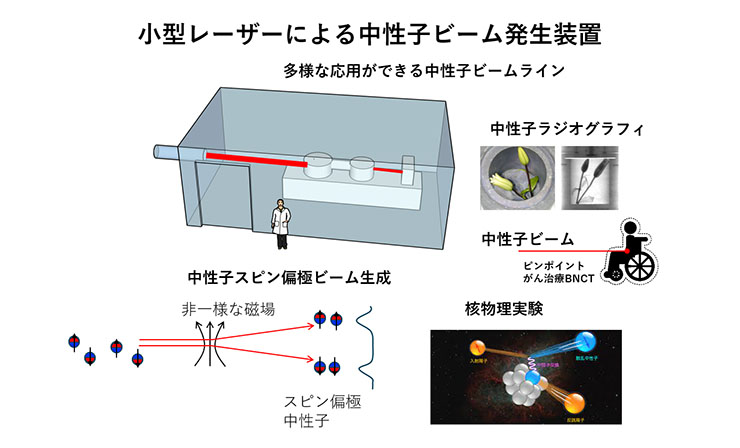
We conduct research on the generation of highly directional neutron beams using compact laser systems.
We are developing systems to generate high-quality neutron beams using compact lasers that fit within a small laboratory. This approach enables a wide range of applications beyond fusion research, including neutron radiography, spin-polarized neutron production, nuclear physics experiments, and targeted cancer therapy. Our research includes the development of high-repetition target delivery systems and dedicated neutron diagnostics, with the aim of creating an environment where high-quality neutron experiments can be performed easily by small teams.
Group members
-
Prof. Akifumi IWAMOTO (FED)
Assoc. Prof. Yasunobu ARIKAWA (NP)
Visiting Prof. Ryuji MAEKAWA (FED)
D1 R. YAMADA (NP)
M1 MUKAI (NP)
B4 R. ASHIHARA (NP)
B4 N. KAWAUCHI (FED)
-
PUBLICATIONS
- A. Iwamoto, M. Tanaka, K. Shigemori, and R. Kodama, “Baseline design of laser fusion research reactor with MW class laser facility,” Nuclear Fusion, Vol.64 (2024), 086068.
- K. Iwano, J. Zhang, A. Iwamoto, Y. Iwasa, K. Shigemori, M. Hara, Y. Hatano, T. Norimatsu, K. Yamanoi, “Refractive index measurements of solid deuterium-tritium,” Scientific Report Vol. 12 (2022), 2223.
- A. Iwamoto, and R. Kodama, “Core size effects of laser fusion subcritical research reactor for fusion engineering research,” Nuclear Fusion, Vol. 61 (2021), 116075.
- A. Iwamoto, and R. Kodama, “Conceptual design of a subcritical research reactor for inertial fusion energy with the J-EPoCH facility”, High Energy Density Physics, vol.36 (2020), 100842.
- A. Iwamoto, T. Fujimura, T. Norimatsu, “Void free fuel solidification in a foam shell FIREX target”, Plasma and Fusion Research 15 (2020), 2404006.